Central Park / Tulip Avenue
Tulip beds line the park and avenue beside brick storefronts, food shops, and the main parade streets.

Tulip Time · Dutch heritage
Tulip Time fills downtown with tulip displays, parades, street scrubbing, costumes, food, and museum programs. A first visit pairs one parade with the windmill and Historical Village; current parking and shuttle details govern arrival.
Downtown first
For three days in early May, downtown Pella fills with tulip beds, parades, street scrubbing, Dutch costumes, bakery lines, and museum programs. Pella Historical Society & Museums hosts Tulip Time; Visit Pella describes the celebration as Dutch heritage surrounded by more than 300,000 blooming tulips.
Central Park, Tulip Avenue, and Sunken Gardens provide the main public flower displays. The ticketed Vermeer Windmill and Historical Village explain the Dutch settlement and later heritage traditions behind the festival.
Tulip route
Tulip beds line the park and avenue beside brick storefronts, food shops, and the main parade streets.
The formal garden lies north of downtown and generally provides more space for flower photos than Central Park during festival hours.
The museum ticket covers tulips, historic buildings, demonstrations, and the Vermeer Windmill in one downtown complex.
The park’s oversized wooden shoe provides a familiar festival photo stop away from Central Park’s main beds.
The canal-side plaza combines murals, water, café tables, shops, and later Dutch-inspired architecture near Franklin and Main streets.
Parades and street scrubbing
Pella Historical lists afternoon and evening parades during Tulip Time, with exact times confirmed on the current schedule. Museum tickets, food stops, and street closures vary around the published parade times.
The afternoon route offers daylight for the costumes, floats, and street-scrubbing traditions. Its published route and start time determine the practical viewing blocks.
The evening parade adds illuminated floats and a second downtown procession. Restaurant access and street closures can change around the route.
Reserved seating can help visitors who cannot comfortably stand or hold a curbside place for a full parade. Check the current seating map and ticket details before the festival.


Windmill and village
The Vermeer Windmill was designed and built in the Netherlands, shipped to Iowa, and reassembled in Pella in 2002. The Historical Village ticket can also bring you into historic buildings, demonstrations, the Miniature Dutch Village, the Wyatt Earp Boyhood Home, and dense tulip plantings inside the museum grounds.
On a short visit, the guided mill tour explains the structure’s Netherlands construction, grain-milling equipment, and 2002 reassembly in Pella.
Heritage stops
The windmill was designed and built in the Netherlands, shipped to Iowa, and reassembled in Pella in 2002. Guided tours cover its structure and grain-milling equipment.
The complex includes historic buildings, the Miniature Dutch Village, demonstrations, the Wyatt Earp Boyhood Home, Dutch Bakery exhibits, and tulips inside the village.
The founder-era home, built for Maria Scholte in 1847–1848, documents Pella’s settlement period north of the square.
These later downtown landmarks add figures, bells, canal-side architecture, shops, and dining near the square.


Dutch food
Pella’s food traditions are part of the visit: Dutch letters, meat-market counters, cheese, chocolate, and festival vendors. The downtown bakeries and meat markets fit naturally between Central Park and the parade route; a full dinner requires its own current hours or reservation check.
Jaarsma and Vander Ploeg are the established downtown stops for Dutch letters. Festival lines grow quickly, so verify opening and ordering details before relying on a short stop.
Ulrich’s and In’t Veld’s add sandwiches, meats, and savory snacks to a downtown food circuit otherwise known for pastries.
Frisian Farms and Van Veen Chocolates provide cheese and chocolate to take home. Confirm current hours before leaving the festival blocks for a specific shop.
Festival vendors provide food near the parade route when street closures or museum tickets leave little time for a sit-down meal.

Crowd reality
Downtown spots fill early. If you care about parking close, arrive before the busiest morning arrival period.
Official off-site parking and shuttles help, but some routes still require walking and accessibility can vary. Check Pella Historical’s current details before counting on a specific lot.
Once streets around the square close, the festival core operates as a walking district. Shoes, parking location, and shuttle access should match the distance each person can manage.
Four ways to spend the day
Central Park tulips, bakery stop, Historical Village or Windmill, then the afternoon parade.
Early garden photos, museum/windmill time, lunch or vendors, Grandstand or afternoon parade, Molengracht pause, evening parade if the group still has energy.
Scholte House, Tuttle Cabin, Historical Village, Vermeer Windmill, Klokkenspel, then a quieter dinner or Opera House performance if the schedule lines up.
Central Park before the busiest hours, Sunken Gardens, the Brinkhoff Park wooden shoe, Molengracht, then the evening parade.

Outside Tulip Time
If you miss peak color, keep the windmill, Historical Village, Scholte House, Klokkenspel, bakeries, Molengracht Plaza, and Sunken Gardens in the day. Lake Red Rock requires a separate outdoor outing and a current U.S. Army Corps of Engineers access check.
See the Pella weekend itineraryCommon mistakes
Before you go
Use the official schedule, parking notes, and museum information for details that change each year: parade times, tickets, shuttles, accessibility notes, bloom updates, and festival maps.
Current dates, garden locations, windmill tickets, parade choices, parking, and bloom timing.
Tulip Time is normally held the first Thursday, Friday, and Saturday in May. Pella Historical Society & Museums lists the official 2027 dates as May 6, 7, and 8. Always check the current schedule before booking rooms or tickets.
Start with Central Park and Tulip Avenue for the downtown scene, then add Sunken Gardens Park or the Historical Village gardens depending on whether you want quieter photos or museum time.
Yes, especially on a first Pella visit. The windmill and Historical Village add settlement history, historic buildings, demonstrations, and grain-milling equipment to the festival program.
The afternoon parade offers daylight and an earlier finish. The evening parade has illuminated floats and requires a later departure from downtown.
The festival still has parades, street scrubbing, Dutch costumes, food, music, museums, and the windmill. Weather controls the flowers, but the museum and parade programs continue on the published schedule.
Second Star gear guide
Historic Town & Museum Weekend
Walkable-town packing list
A sling, weather backup, notes, camera support, and local-book pieces for historic districts and museum weekends.
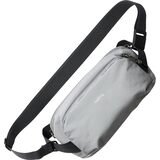
Compact Travel Sling Bag
$95.00

Travel Journals
$9.99
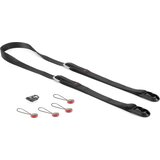
Camera Straps
$49.95